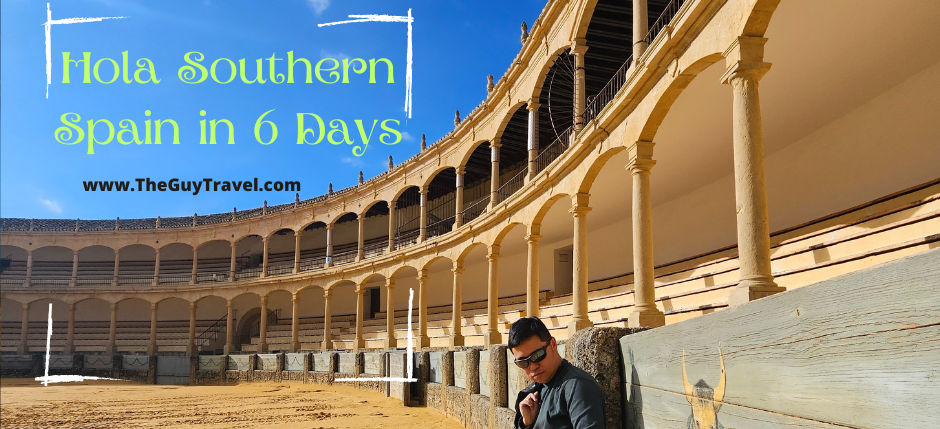
Hola Southern Spain in 6 Days
Hola Southern Spain: Where History Meets the Soul of Spain. From Sevilla’s flamenco rhythms to Ronda’s vertigo-inducing bridges, Málaga’s Mediterranean breeze, Granada’s hilltop palaces, and Córdoba’s forest of arches, this is an adventure carved through time.
Southern Spain is one of those rare regions where distance feels irrelevant. Cities sit close to one another, landscapes shift effortlessly, and centuries of history unfold within just a few hours drive. Andalusia is not just a destination—it is a living tapestry of cultures, where Islamic heritage, Christian traditions, and Romani influences blend seamlessly into what we now recognise as Spanish identity.
From the rhythm of flamenco to the intricate arches of ancient palaces, Southern Spain tells a story of coexistence, creativity, and cultural fusion. The best way to experience it? Enter through Sevilla and travel east, city by city, letting history guide the journey.
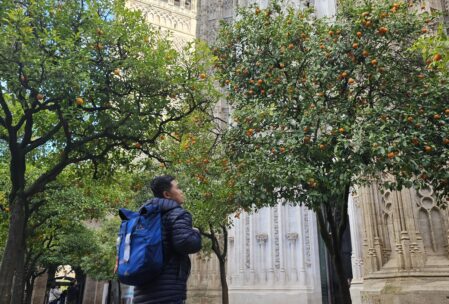
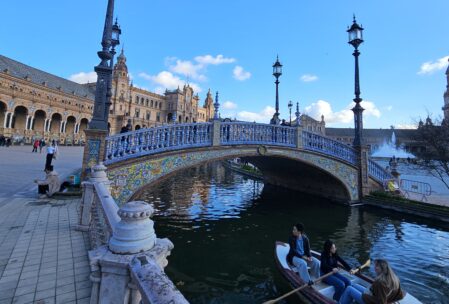
Sevilla: The Gateway to Andalusia
Sevilla is the perfect introduction to Southern Spain. Once a powerful Moorish capital, the city still carries strong Islamic influences, most vividly seen in the Real Alcázar—a masterpiece of Mudéjar architecture where Arabic calligraphy, geometric tiles, and lush gardens coexist in harmony. Nearby, the Giralda Tower, originally a minaret, now stands as a symbol of Sevilla’s layered past. Wander through the Santa Cruz quarter, once the Jewish district, and you’ll feel how cultures overlapped rather than erased one another.
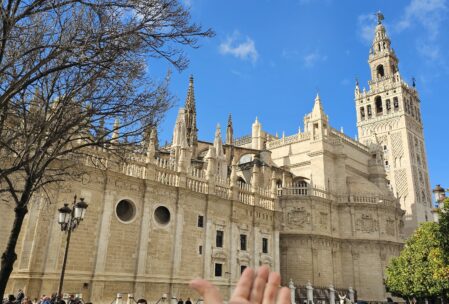
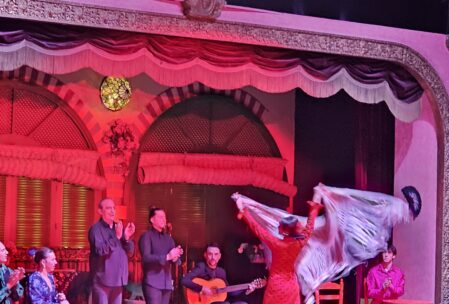
Sevilla is also widely regarded as the birthplace of flamenco—a passionate art form shaped by Moorish melodies, Romani emotion, and Andalusian spirit. As night falls, the sound of clapping hands and soulful singing reminds you that culture here is lived, not preserved behind glass.
Ronda: Drama Above the Gorge
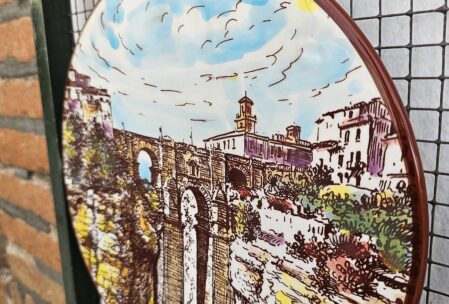
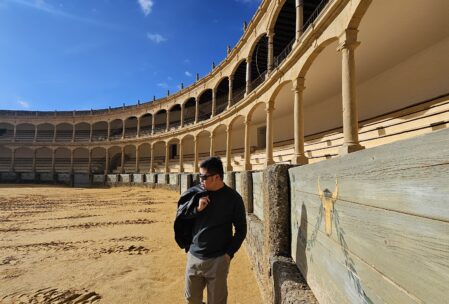
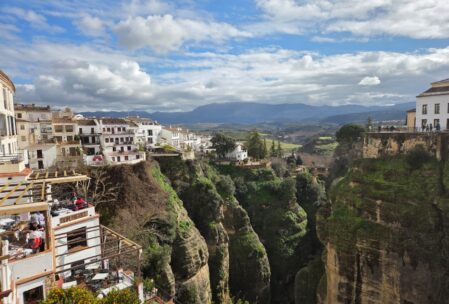
A scenic drive leads you to Ronda, dramatically perched above El Tajo gorge. Few places in Spain feel as cinematic. The iconic Puente Nuevo bridge connects the old Moorish town with the newer quarter, offering breathtaking views below.
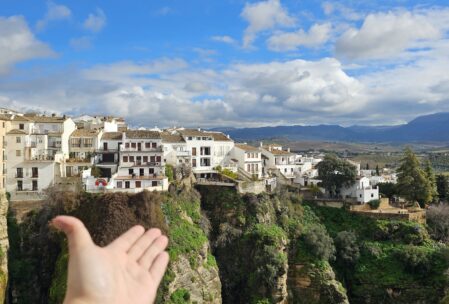
Ronda’s Islamic past is evident in its old city walls, baths, and layout. It’s also known as the birthplace of modern bullfighting—another reflection of Andalusia’s complex and often debated traditions.
Málaga: Where History Meets the Mediterranean
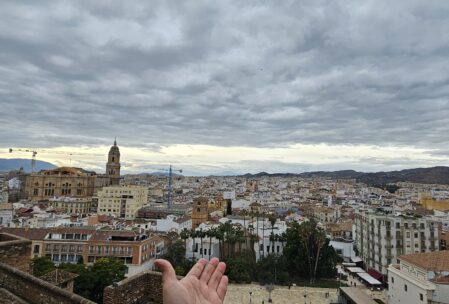
From mountain towns, the road descends toward the coast and into Málaga. Often underestimated, this city balances ancient history with a modern, coastal lifestyle. The Alcazaba of Málaga, a Moorish fortress rising above the city, offers panoramic views of the port, while the nearby Roman Theatre reminds visitors that Málaga has been shaped by multiple empires long before it became a beach destination.
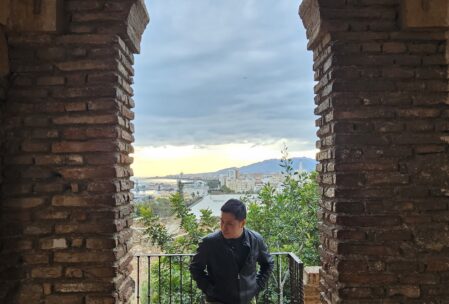
Today, Málaga is vibrant and artistic—home to Picasso’s birthplace, seaside promenades, and a thriving food scene that blends tradition with innovation.
Frigiliana & Nerja: White Villages and Coastal Beauty
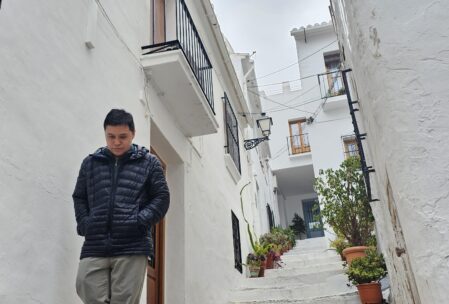
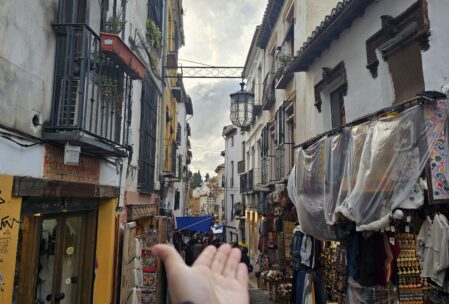
Just outside Málaga, Andalusia slows down. Frigiliana, often called one of Spain’s prettiest white villages, is a maze of cobbled streets, flower-filled balconies, and Moorish-influenced urban design. Its plaques tell the story of the last Muslim uprising in the region, preserving memory within everyday life.
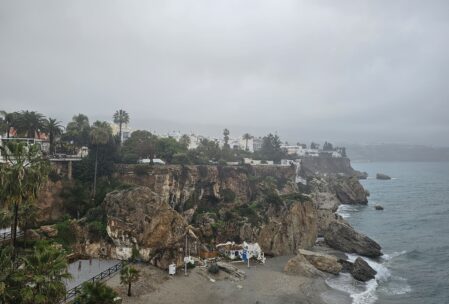
A short drive away, Nerja opens up to the sea. The Balcony of Europe offers sweeping Mediterranean views, while the nearby Nerja Caves reveal vast chambers that have sheltered humans since prehistoric times—adding yet another layer to Southern Spain’s deep timeline.
Granada: A Living Legacy of Al-Andalus
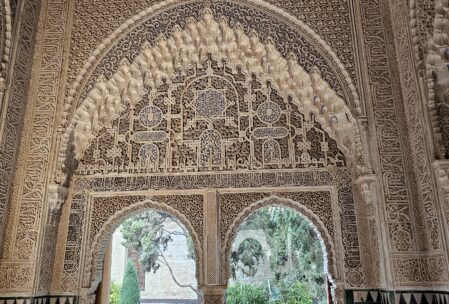
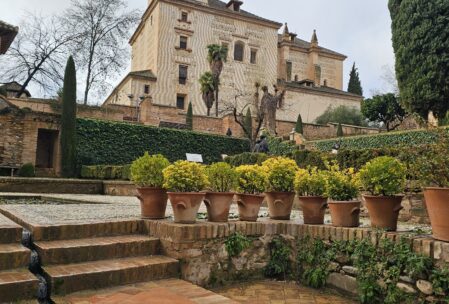
Granada is where Andalusia’s Islamic heritage reaches its most poetic expression. The Alhambra, a UNESCO World Heritage Site, stands as one of the world’s greatest architectural achievements. Its delicate stucco walls, tranquil courtyards, and flowing water features reflect the Moorish philosophy of harmony between nature, art, and spirituality.
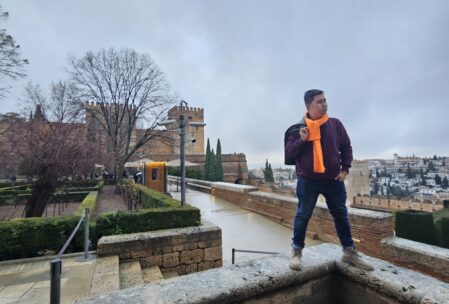
In the Albaicín district, narrow streets and hilltop viewpoints face the Alhambra across the valley—a daily reminder of Granada’s past as the final stronghold of Muslim rule in Spain. Here, tea houses, tapas bars, and flamenco caves coexist effortlessly.
Córdoba: The Ultimate Melting Pot
The journey concludes in Córdoba, once the most important city in Western Europe under Islamic rule. Its crown jewel, the Mezquita-Catedral, perfectly symbolises Andalusia’s layered identity—an awe-inspiring mosque transformed into a cathedral, where horseshoe arches and Christian altars share the same sacred space.
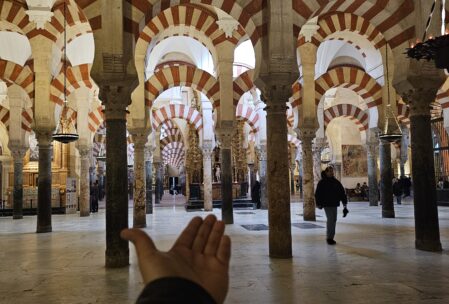
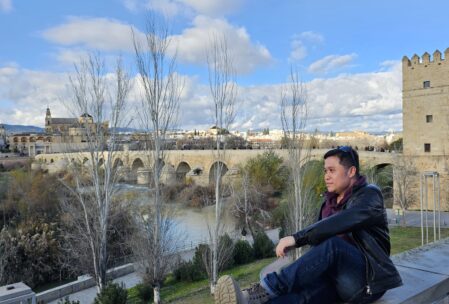
Walking through Córdoba’s old town, patios bloom with flowers, Roman bridges span ancient rivers, and Jewish, Muslim, and Christian histories intertwine within a few compact streets.
Why Southern Spain Captivates
What makes Southern Spain extraordinary is not just the beauty of individual cities—it is how close they are, yet how distinct each feels. Within a single journey, you move from palaces to white villages, from mountains to sea, from flamenco rhythms to silent courtyards.
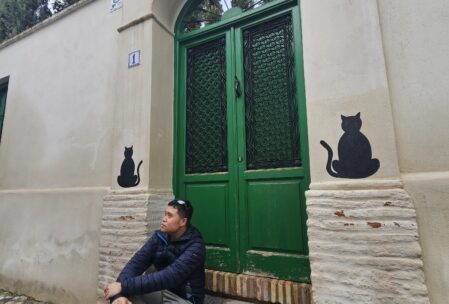
This region is a true melting pot of cultures, where Muslim heritage didn’t disappear but instead shaped the foundations of modern Spanish culture—from architecture and music to food and festivals. Southern Spain is not just visited. It is felt—slowly, deeply, and long after the journey ends.

Categories: Europe Region
Leave a Reply