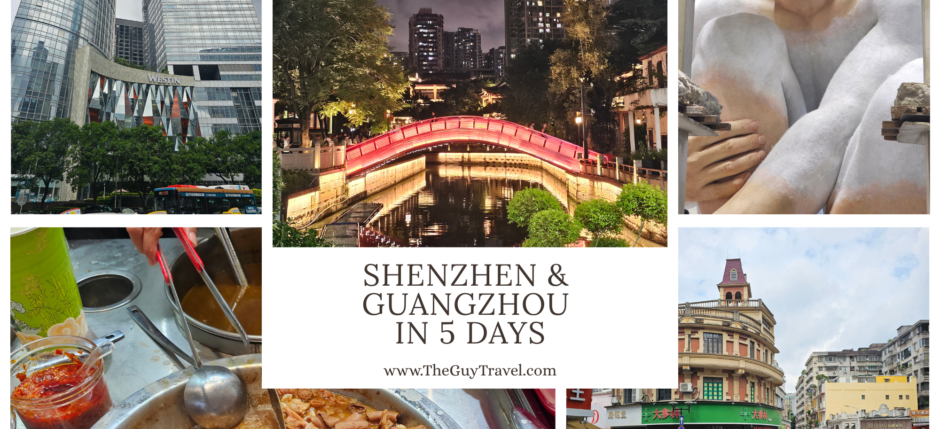
Shenzhen & Guangzhou in 5 Days
When people think about travelling to China, destinations such as Beijing, Shanghai or Xi’an often come to mind first. But this time, I wanted to experience a different side of China. A side that combines technology, shopping, high-speed trains, incredible food, modern cityscapes and centuries of cultural heritage. So, I headed to southern China. Over five days, I explored two very different cities — Shenzhen and Guangzhou.
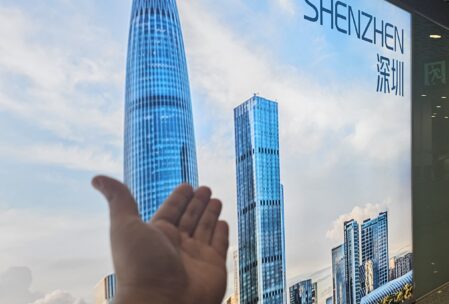
Shenzhen showed me the fast-paced, futuristic and innovative side of China. Guangzhou, on the other hand, brought me into the heart of Cantonese culture, where food, heritage, commerce and modern city life come together. And the best part? It was incredibly easy to travel between them. Here is how I experienced Shenzhen and Guangzhou in five days.
Day 1: Shenzhen — China’s Technology Playground
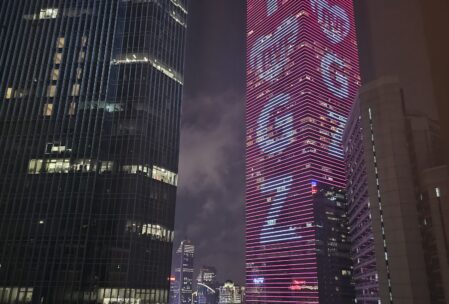
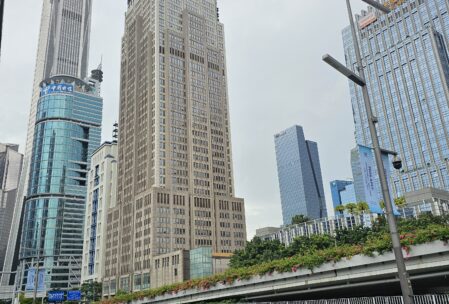
After arriving from Singapore, my first stop was Shenzhen. Shenzhen is one of those cities that immediately feels energetic. Skyscrapers. Technology. Shopping. Innovation. Everywhere you go, you can feel that this is a city that is constantly moving forward. I stayed around the Futian area, which gave me the opportunity to explore Shenzhen at my own pace.
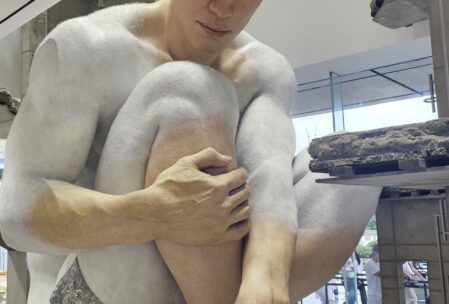
One of the places I had to visit was Luohu Commercial City. If you enjoy shopping, this is where things can get interesting. From fashion and accessories to watches, bags and all sorts of products, there is plenty to explore. It is definitely a place where you need patience — and perhaps some bargaining skills! But Shenzhen is not just about fashion. For me, one of the more interesting experiences was exploring the Huaqiangbei area, one of the world’s most famous electronics markets.
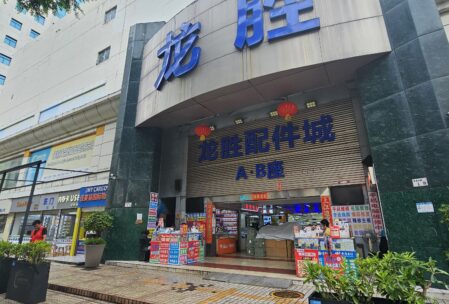
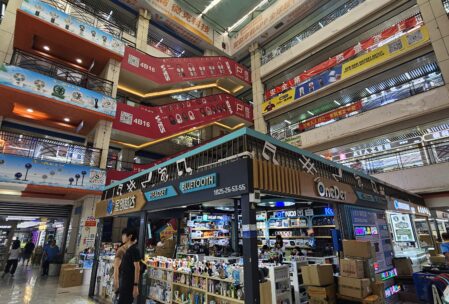
Walking around, you quickly understand why Shenzhen is often regarded as one of China’s leading technology hubs. There were smart devices, accessories, electronic components, watches and all kinds of gadgets that you probably didn’t even know existed. If you are visiting Shenzhen, this is one city where you should keep some space in your luggage. From Chinese technology brands and smart devices to electronics accessories and wholesale fashion, Shenzhen is a shopper’s playground. Just be prepared — you may arrive with one suitcase and leave needing another.
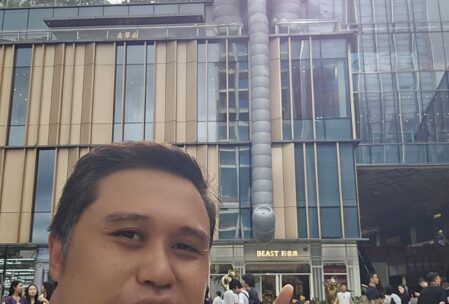
Day 2: Shenzhen → Guangzhou by High-Speed Rail
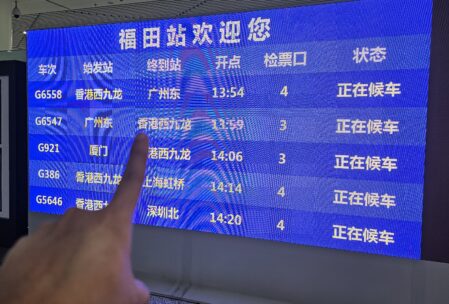
One of the things I love about travelling around China is the high-speed rail network. After spending time in Shenzhen, it was time to move on to Guangzhou. Instead of going through the hassle of travelling to an airport, checking in and waiting for a flight, we simply headed to the railway station. Within around one hour and twenty minutes, we arrived in Guangzhou. Simple, convenient and honestly, a great way to travel. The journey itself was another reminder of how easy it is to combine different cities when travelling in China. By the afternoon, we checked into our hotel in Guangzhou and headed straight out to explore.
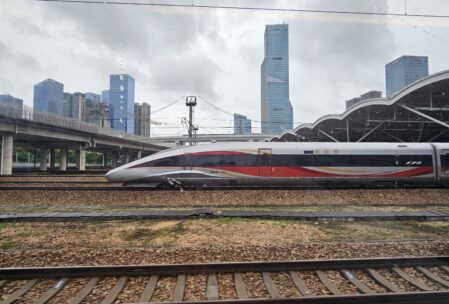
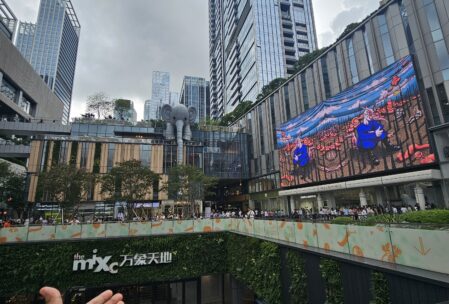
Our first stop was Zhujiang New Town. This is modern Guangzhou. Towering skyscrapers, trendy cafés, shopping malls and a completely different atmosphere from the historical side of the city that I would discover the next day. In the evening, we headed towards Beijing Road Pedestrian Street. Busy, vibrant and full of energy, this was the Guangzhou many people come to experience.
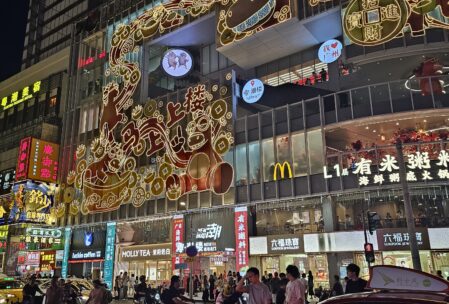
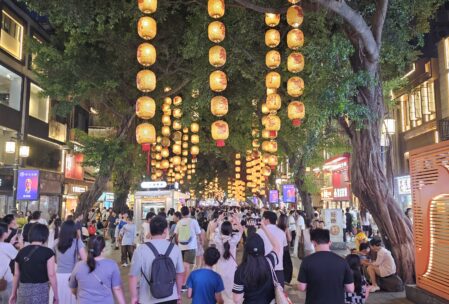
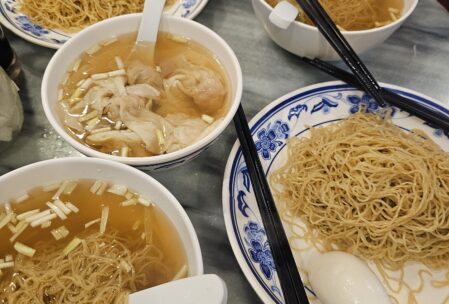
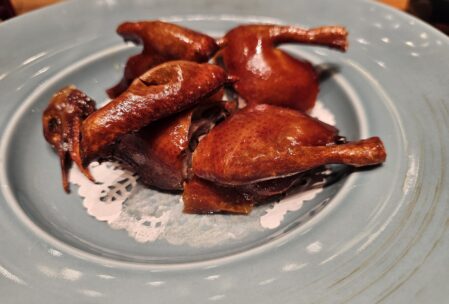
We had to end the day with food. When in Guangzhou, eating Cantonese food is not optional. Roast goose, roast duck, wanton mee, dim sum — the list goes on. One thing I learnt very quickly: Come to Guangzhou hungry.
Day 3: Guangzhou — Dim Sum, Heritage and Old Streets
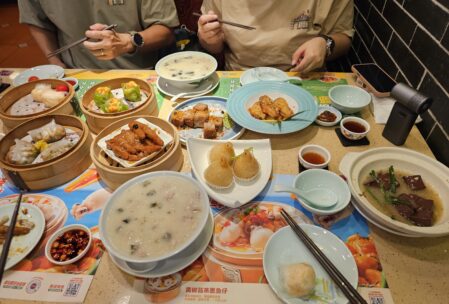
Day three started the best way possible — With food. Guangzhou is the home of Cantonese cuisine, and breakfast can easily turn into a full culinary experience. Dim sum, tea, dumplings and roast meats — this is not the kind of breakfast you rush through. After filling up, it was time to explore the historical side of Guangzhou.
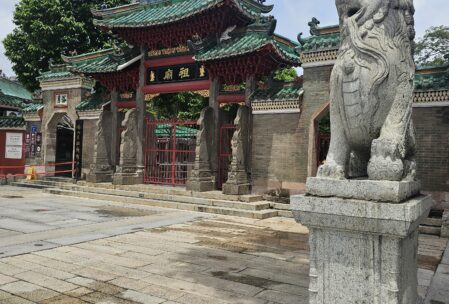
One of the cultural highlights was the Chen Clan Ancestral Hall. The intricate carvings, detailed decorations and traditional Lingnan architecture were a complete contrast to the modern skyline we had seen at Zhujiang New Town. This was a reminder that Guangzhou is not simply a modern commercial city. It has history. It has culture and it has stories that go back generations. I think that is one of the things I enjoy most when travelling. Sometimes, you don’t need to know exactly where you are going. You just need to start walking.
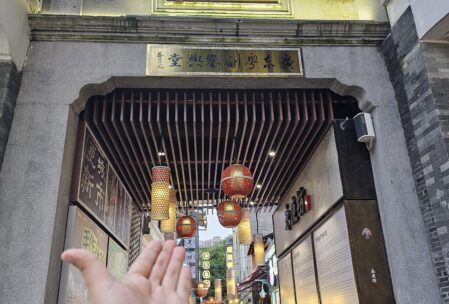
From there, we continued to Yongqing Fang. This heritage area combines restored old buildings with cafés, local snacks and small shops. It felt like the perfect example of how a city can preserve its heritage while adapting it for modern life. There was more shopping to do. Guangzhou is well known for its wholesale markets, particularly for fashion and apparel. For anyone involved in retail, sourcing or simply looking for a different shopping experience, exploring these markets gives you a glimpse into the commercial side of the city.
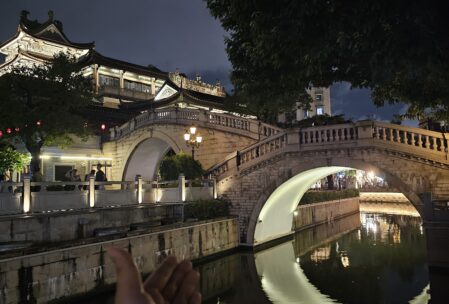
Day 4: Food, Shopping and Guangzhou After Dark
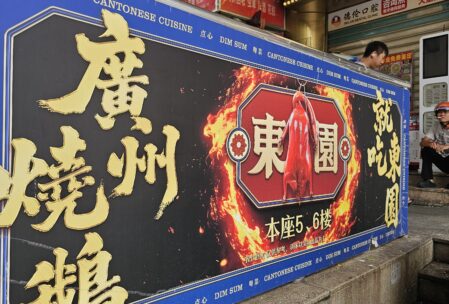
By this point, I had already realised something. Guangzhou is a city that is best experienced slowly. Preferably with plenty of food in between. One of the highlights was enjoying a proper Cantonese meal at Tao Tao Ju, one of Guangzhou’s well-known restaurants. From delicate dim sum and har gow to roast goose and other Cantonese classics, the food was another reminder of why Guangzhou is considered one of the best food cities in China.
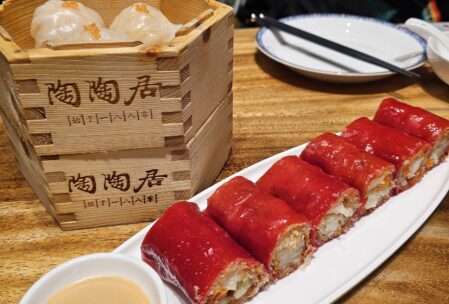
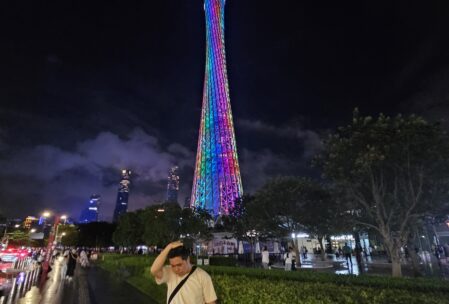
Food was only part of the day. There was still time to explore more of Guangzhou’s commercial side, including the clothing and footwear markets. For me, this was fascinating. These are not the usual shopping malls that tourists visit. They are busy, fast-moving markets where buyers, sellers and business owners come together. It gave me another perspective of Guangzhou. Behind the heritage buildings and famous attractions is a city that has always been built on trade and commerce. And you can still feel that today. In the evening, we headed towards the iconic Canton Tower. Whether you choose to go up the observation deck or simply enjoy the view from the riverside, it is one of those landmarks that define Guangzhou’s skyline. As night fell, the city came alive.
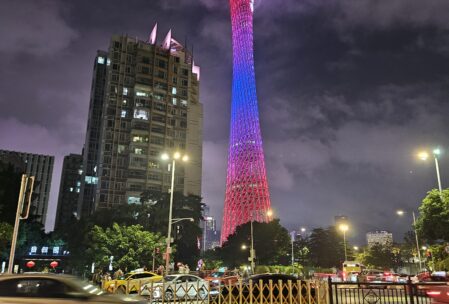
The Pearl River reflected the lights from the skyscrapers. The Canton Tower stood brightly against the night sky. And suddenly, Guangzhou looked completely different again.
Day 5: Foshan, Kung Fu and One Last Look at Guangzhou
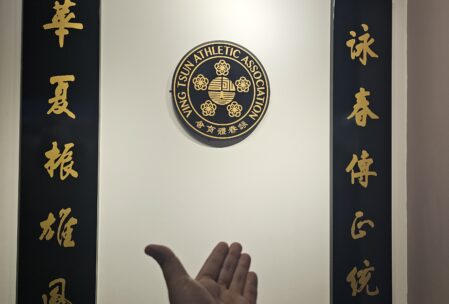
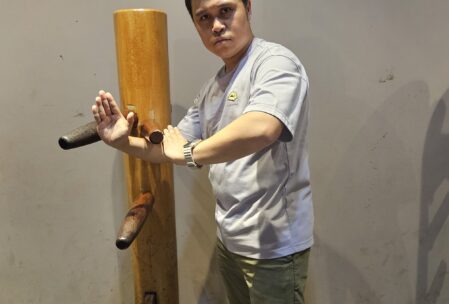
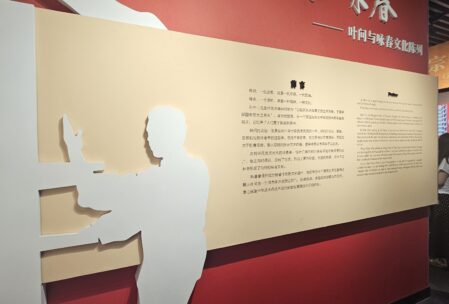
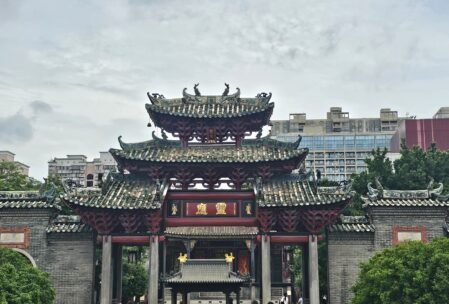
For the final day, we headed towards Foshan. If you are interested in Chinese martial arts, this is a place with a rich history. We visited the Foshan Ancestral Temple, also known as Zumiao, where traditional culture, martial arts and local heritage come together. One of the experiences I enjoyed was seeing kung fu and lion dance performances.
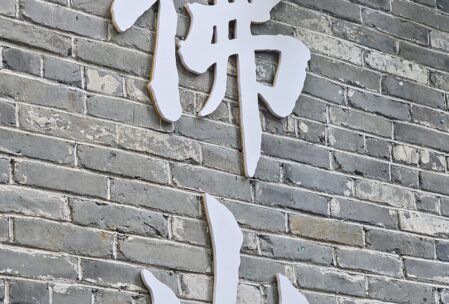
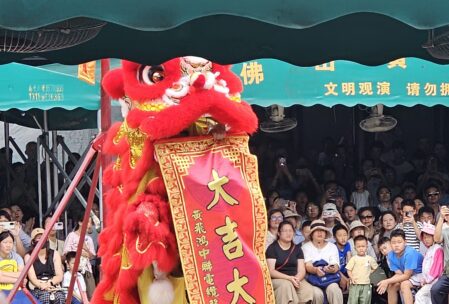
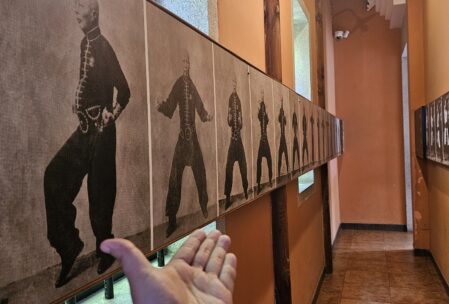
Foshan is closely connected with famous martial arts figures such as Ip Man and Wong Fei-hung, making the city an important destination for anyone interested in the history of Chinese kung fu.
Shenzhen vs Guangzhou: Two Completely Different Experiences
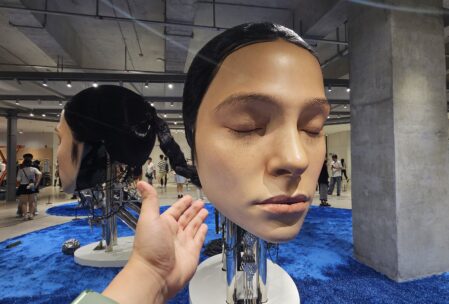
What I enjoyed most about this trip was the contrast between the two cities. Shenzhen is about the future. Technology. Innovation. Smart devices. Electronics. Fast-paced city life. It is a city where you can easily spend hours exploring markets and discovering the latest gadgets.
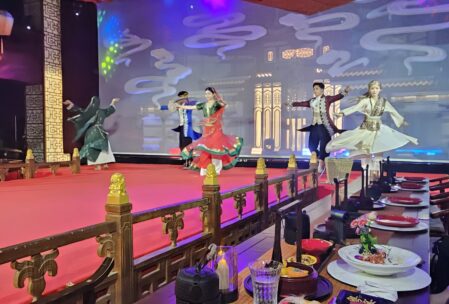
Guangzhou is about the experience. Food. Culture. Heritage. Commerce. Old neighbourhoods. And some of the best Cantonese cuisine you can find. Yet, despite being so different, the two cities are incredibly easy to combine. A short high-speed train journey connects them. And suddenly, you move from the technology capital of southern China to the cultural and culinary heart of Guangdong.
If you’re looking for a short trip to China that combines shopping, technology, food, culture and modern city life, Shenzhen and Guangzhou make an excellent combination.

Categories: Asia Region
Leave a Reply